When it comes to indoor air quality, one term you’ll often hear is Air Changes Per Hour (ACH). While it may sound technical, ACH is simply a way to measure how many times the air within a space is replaced or filtered in one hour.
For example, if a room has an ACH of 6, the equivalent volume of air in that room is being refreshed or filtered six times every hour. The higher the ACH, the more frequently airborne particles, odors, and contaminants can be removed from the environment.
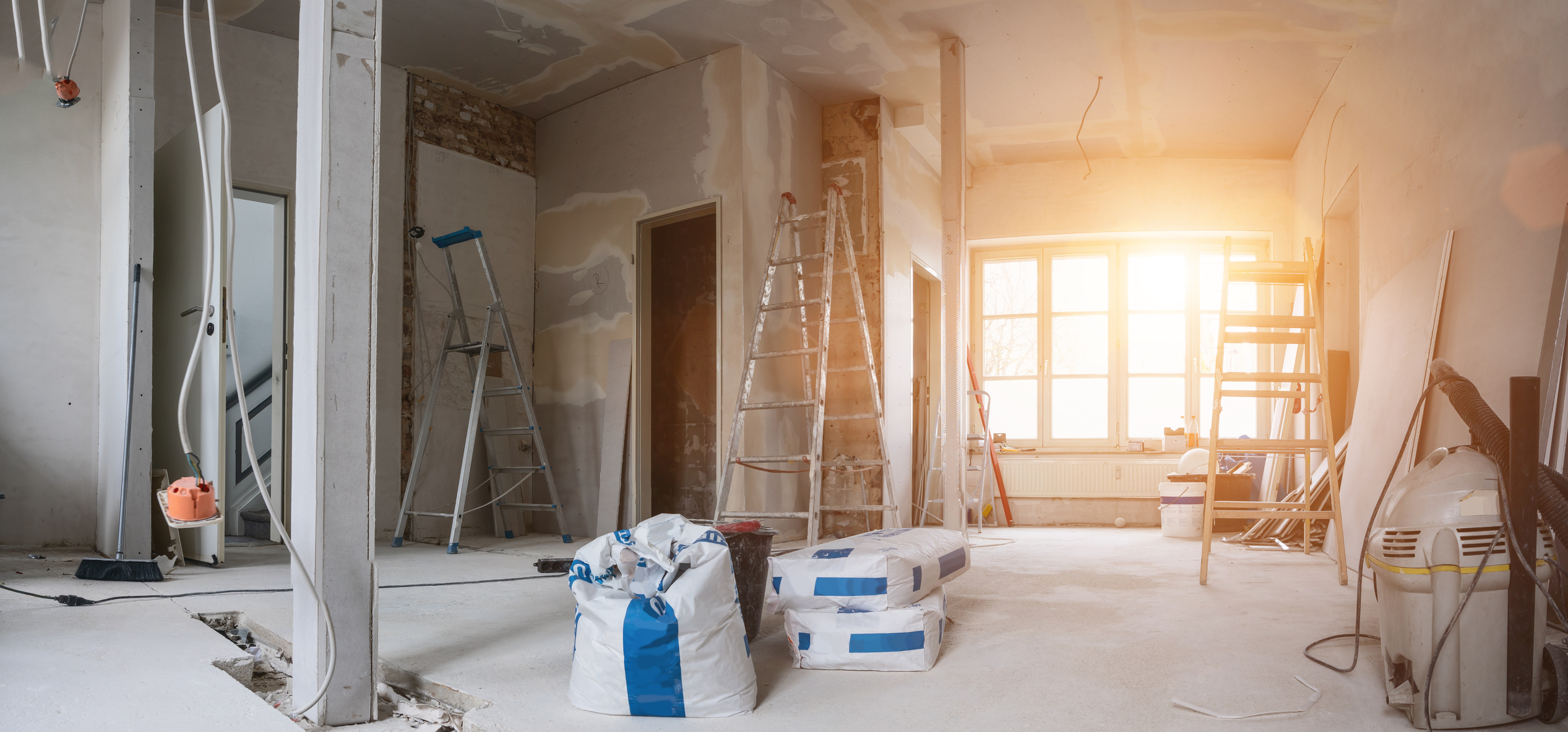
This is especially important in the construction industry. Construction and renovation projects generate a wide range of airborne contaminants, including dust from drywall and concrete, wood particles, insulation fibers, and fumes from paints, adhesives, sealants, and coatings. These particles can remain suspended in the air long after work has been completed, affecting both workers and nearby occupied spaces.
Maintaining adequate ACH during construction can help reduce the concentration of airborne contaminants, improve visibility in work areas, and support a cleaner environment throughout the project. For renovation projects in occupied buildings—such as offices, schools, healthcare facilities, or retail spaces—effective air circulation and filtration can also help minimize the spread of dust and odors into adjacent areas.
Different projects require different ACH levels depending on factors such as the size of the space, the type of work being performed, and whether the building remains occupied during construction. While ventilation plays an important role, filtration systems can further improve air quality by continuously capturing airborne particles and recirculating cleaner air throughout the space.
ACH is more than just a technical metric—it’s a practical way to evaluate how effectively air is being managed during a construction project. By understanding and optimizing air changes, contractors, facility managers, and building owners can help create cleaner, safer, and more comfortable environments both during construction and after project completion.
A well-managed indoor environment doesn’t just benefit the people working in the space—it can also contribute to a smoother project and a better experience for future occupants.