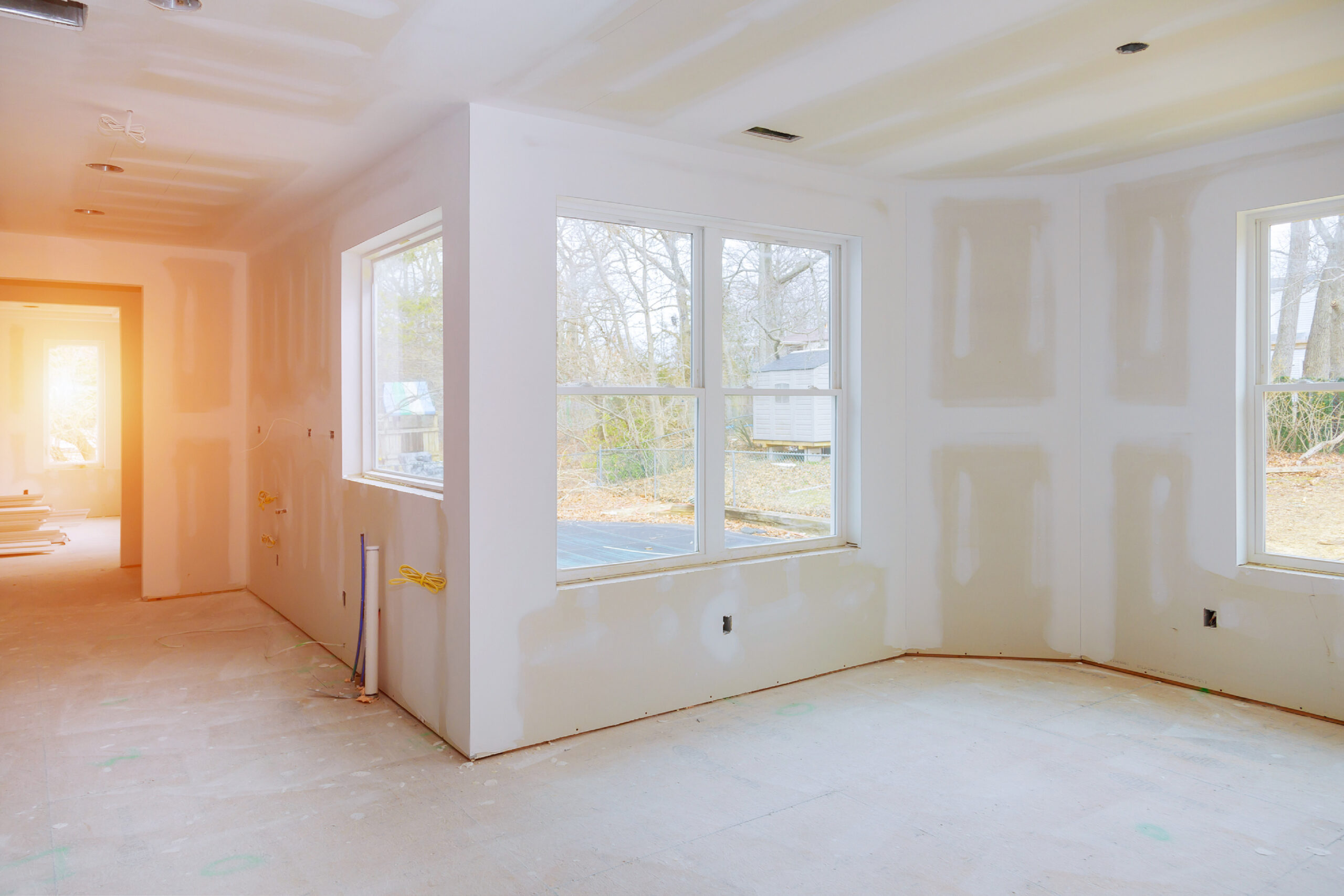
When people think about construction dust, they often picture the mess left behind at the end of the day—powdery floors, coated surfaces, and extra cleanup time. But during active construction or renovation, dust is more than a housekeeping issue. It’s an ongoing indoor air quality challenge that can affect workers, timelines, and the spaces being built.
Common construction activities such as concrete cutting, drywall sanding, and demolition release fine airborne particles that remain suspended long after the work stops. These particles don’t simply settle; they circulate through open spaces and HVAC systems, spreading beyond the immediate work area. In occupied buildings, this can lead to complaints, disrupted operations, and added pressure to keep work zones isolated.
Dust also interacts with odors and chemical vapors from paints, adhesives, and finishes. Together, these contaminants can create uncomfortable conditions for tradespeople and anyone nearby, especially during long shifts or multi-phase projects. Relying on ventilation alone often isn’t enough—particularly when HVAC systems aren’t fully operational or must remain limited during construction.
This is where dedicated air filtration plays a critical role. Systems designed for construction environments use multi-stage filtration to address a wide range of airborne contaminants. Pre-filters capture larger dust particles generated by cutting and sanding, while carbon filtration helps manage odors and vapors from materials. High-efficiency filtration then removes finer particulates that contribute to haze and respiratory discomfort.
By actively cleaning the air during construction, filtration systems help keep dust from migrating, reduce cleanup demands, and support a more comfortable work environment. More importantly, they help ensure that when a project reaches completion, the space doesn’t start its life filled with lingering dust and airborne debris.
Construction dust may be unavoidable—but its impact doesn’t have to be.